
Plant-Based Sushi Likes a Little Plot Twist
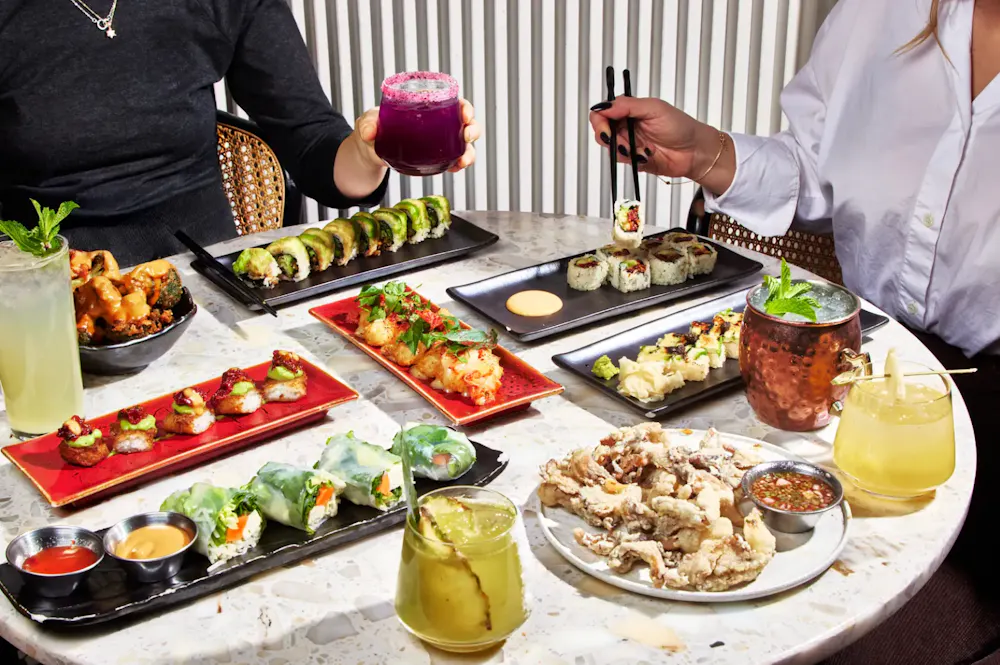
Sushi has always had a thing for tiny, dramatic bites.
Plant-based sushi gets to have plenty of fun with that. Watermelon meets ginger and citrus soy. Eggplant gets the miso-truffle treatment. Carrot shows up dressed as salmon. Tempura broccoli finds its way into a Dragon Roll because vegetables, apparently, also enjoy a costume change.
A sushi lover still gets plenty to fuss over: seasoned rice, nori, texture, acid, heat, umami, and a bite that holds together long enough to make it into your mouth.
The cast has changed.
The tiny drama remains.
The Rice Has Seniority
Before anyone starts a debate about what belongs on top, the rice would like a word.
Japan’s National Tourism Organization describes sushi around vinegared rice paired with ingredients that can include seafood, egg, or vegetables. Japan’s Ministry of Agriculture even documents kanpyo-maki, an established Tokyo sushi roll made with seasoned dried gourd, vinegared rice, and nori.
The rice is doing far more than holding lunch together.
Good sushi rice brings acidity, sweetness, salt, warmth, and that gently sticky texture that keeps a bite composed. Official Japanese recipes for nigiri and kanpyo-maki season freshly cooked rice with sushi vinegar, then cool it to around body temperature.
That detail feels small until the rice is cold, bland, or packed like drywall.
For plant-based sushi, getting the foundation right gives everything on top somewhere convincing to land.
Feeling curious? See what’s rolling at NoMad before deciding what gets first-dibs status.
Plant-Based Sushi Needs Texture
Take fish out of the equation and texture gets a promotion.
Plants arrive with wildly different starting points. Watermelon is juicy and crisp. Eggplant softens under heat. Avocado brings richness. Broccoli can go from tender to crunchy once tempura enters the situation.
Our NoMad sushi menu plays with those differences on purpose. Ahi Watermelon Nigiri comes with ginger and citrus soy. Unagi Eggplant gets miso truffle. The Dragon Roll brings tempura broccoli, spinach gomae, avocado, and unagi.
Then there’s the Firecracker, where Japanese sweet potato meets avocado, potato straws, unagi, gochujang mayo, and chili salt.
A quiet little cucumber situation this is not.
Texture also decides how a bite unfolds. Something silky disappears differently from something crisp. A pressed avocado bite behaves differently from a roll loaded with crunch.
The fun is giving every piece its own pace.
Four things we look for:
Watermelon Has Entered the Chat
Calling something “ahi watermelon” gives the palate a useful clue.
The name points toward a familiar sushi idea: a jewel-toned topping, savory seasoning, neat proportions, and a nigiri-style bite. Watermelon still gets to bring its own juiciness and texture to the job.
The same goes for carrot salmon and unagi eggplant. The names give you somewhere to start. Then the plant gets to improvise.
At PLANTA Queen NoMad, that thinking runs through the sushi menu and beyond. Ahi watermelon, carrot salmon, unagi eggplant, heart of palm crab, crispy mushrooms, avocado, and tempura broccoli all show up in different combinations.
A vegetable wearing a costume can still steal the scene.
Pick your plot twist: browse our NoMad sushi menu and see which one gets your attention first.
What Changes in Plant-Based Sushi?
The center of gravity shifts toward seasoning, texture, temperature, contrast, and the natural character of the plants.
Fish brings its own fat, salinity, aroma, and texture. A plant-based kitchen builds satisfaction through a different set of levers.
Miso can bring fermented depth. Citrus soy adds salt and brightness. Tempura changes the crunch level. Avocado brings richness. Pickled ingredients wake everything up.
Creativity has consequences, though. Add too much and the bite becomes a traffic jam. Add too little and the vegetable has nowhere interesting to go.
The sweet spot is a roll where everybody has a job.
Take the current Red Dragon. Carrot salmon sits with pickled watermelon, avocado, masago, and spicy mayo. The Dragon heads somewhere else with tempura broccoli, spinach gomae, avocado, and unagi.
Same sushi format.
Completely different night out.
Plant-Based Sushi Still Needs Restraint
Sushi is small. There is nowhere for a bad decision to hide.
A roll can carry heat, crunch, creaminess, sweetness, acidity, and umami, but those elements need enough space to register. If everything hits at maximum volume, the bite becomes edible group chat.
We like a little editing.
That can mean:
This is where the technique behind plant-based sushi gets genuinely interesting for someone who already loves sushi.
The familiar architecture stays in the room. The route to richness, chew, salinity, and surprise gets to wander.
Taste the Technique, One Bite at a Time
The easiest way to try plant-based sushi is to avoid designing the entire meal before the first plate lands.
Start small. Let your mouth collect evidence.
For two people, this keeps the table moving without turning ordering into algebra.
Want to test-drive the theory? Book a table in NoMad and build round two after round one disappears.
Plant-Based Sushi For People Who Brought People
Sushi travels well across a table. Everyone can try a piece without signing a legally binding agreement with the entire roll.
That makes it handy for groups with different appetites and food preferences.
A 100% plant-based spread is naturally vegetarian-friendly, while an all-plant menu can simplify the hunt for vegan catering when everybody wants to eat from the same platters.
Our NoMad catering menu currently offers assorted maki in 48- and 96-piece platters, plus a 24-piece assorted nigiri option with ahi watermelon and unagi eggplant.
For plant-based catering, sushi already understands the assignment: arrive looking like an event, circulate around the table, disappear piece by piece, repeat.
Useful group-order logic:
FAQs
Is sushi still sushi without fish?
Yes. Sushi centers on vinegared rice paired with toppings or fillings, and official Japanese sources include preparations featuring vegetables alongside seafood and egg.
What is plant-based sushi made from?
It varies widely. Our current NoMad menu uses watermelon, eggplant, carrot, avocado, broccoli, heart of palm, mushrooms, sweet potato, nori, and seasoned rice across its sushi dishes.
Does plant-based sushi taste like fish?
Plant ingredients bring their own flavors and textures, even when dish names reference familiar seafood preparations. Ahi watermelon, for example, pairs watermelon with sushi-style seasoning cues while keeping the ingredient distinctly plant-based.
How can a first-timer compare plant-based sushi textures?
Nigiri is a useful place to start because fewer components let you focus on the rice, topping, seasoning, and texture. Follow it with a maki roll that adds crunch, spice, creaminess, or tang.
Is plant-based sushi good for sushi lovers?
It can be. Diners who love seasoned rice, nori, precise bites, contrasting textures, sauces, pickles, and sushi’s creative side still have plenty to explore.
Where can I try plant-based sushi in Manhattan?
Our NoMad location at 15 W 27th Street currently serves dedicated nigiri and maki selections, including Ahi Watermelon, Unagi Eggplant, Dragon, Red Dragon, Firecracker, Volcano, and Torched & Pressed.
Leave Room For the Weird One
Plant-based sushi gets most fun when you stop trying to predict your favorite from the menu.
Choose one roll you know you’ll like. Add the vegetable wearing the most convincing disguise. Let somebody else choose something chaotic. Save room for round two.
Then check the NoMad menu and reservations and let dinner get a little strange.