
Tofu, Tempeh, Lentils: A Plant-Based Menu’s Protein Cheat Sheet
Ask a plant-based diner where they get their protein and you may catch the briefest flicker of exhaustion behind the eyes.
It is the question that refuses to die. Skip the steak and suddenly everyone at the table has become extremely invested in your amino acids.
The funny thing is that protein was never hiding in one heroic slab in the middle of the plate. It is scattered across some of the best things on a plant-based menu: tofu, tempeh, edamame, lentils, beans, nuts, seeds and grains all bring some to dinner.
Which makes building a protein-rich restaurant order considerably less of a scavenger hunt than people assume.
Start With the Ingredient Doing the Heavy Lifting
Vegetables can contribute some protein, but the broccoli should not be expected to run the entire operation.
When scanning a menu, find its protein anchor first. Soy foods and legumes are especially useful because they bring meaningful amounts in normal portions.
For some context, Harvard’s Nutrition Source lists half a cup of cooked edamame at about 11 grams of protein, three ounces of cooked tempeh at about 13 grams and a cup of cooked lentils at about 18 grams. Soft tofu comes in around 8 grams per three ounces.
Restaurant portions vary, obviously. The point is spotting which ingredient has shown up ready to work.
Good menu clues include:
If the dish contains one of those near the top of its description, you have somewhere solid to begin.
Build Your Order Around a Protein Anchor
Restaurant ordering gets better when you stop treating every plate as an isolated nutritional event.
Say you want the cauliflower because the cauliflower looks fantastic. Order it. Then let another dish carry more of the protein load.
A tofu starter plus noodles can become a substantial meal. A grain bowl with beans already has layers working together. Edamame followed by a mushroom dish with a protein add-on gets you somewhere very different from ordering four vegetable sides and wondering why you are hungry on the walk home.
The old idea that plant proteins have to be meticulously “combined” in the same meal has also aged badly. Research reviews have found that a varied diet across the day can supply the amino acids adults need without deliberate protein pairing at every sitting.
Rice and beans may remain a dream couple. They are free to see other people.
Learn the Difference Between Hearty and Protein-Rich
This one catches people.
Mushrooms can taste meaty. Jackfruit can look impressively carnivorous. Cauliflower has been dressed up as everything short of a porterhouse.
Texture is doing a lot of PR here.
A dish can feel hearty because it is fried, sauced, roasted or served in a generous portion while still getting relatively little protein from its headline vegetable.
That does not make it a bad order. It simply means you may want something else beside it.
This is the restaurant version of reading past the headline.
The Protein Add-On Is Your Friend
“Add protein” can sound painfully functional on a beautiful dinner menu.
Use it anyway.
A protein add-on is one of the easiest ways to turn the dish you genuinely want into something more substantial. You get to order for flavor first and adjust from there.
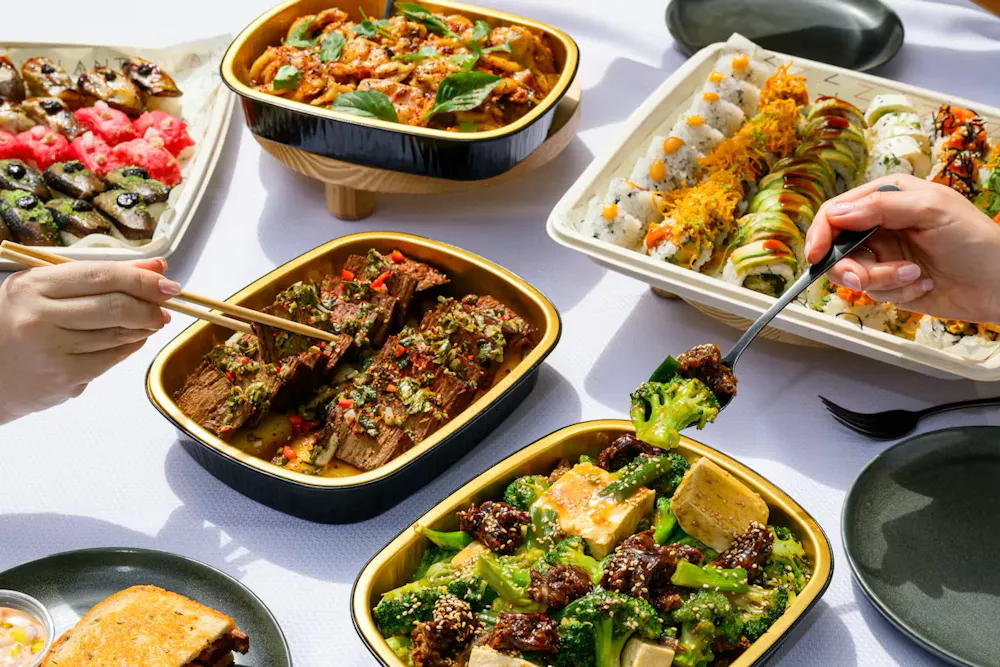
PLANTA’s menu makes this unusually literal. Our protein add-ons include crispy chick’n cutlet at 18 grams of protein and crispy or blackened tofu at 12 grams. The same menu has tofu running through dishes such as Summer Rolls and Beef & Broccoli, plus Steamed Edamame Dumplings elsewhere on the menu.
That is the kind of menu design worth looking for anywhere. Protein becomes something you can move around the meal rather than one designated entrée everybody has to order.
Nuts and Seeds Are the Supporting Cast
Tahini deserves more respect.
So do pumpkin seeds, peanuts, cashews, sesame and the fistful of crunchy things scattered over the top of a bowl that you were planning to ignore.
Nuts and seeds contribute protein alongside fats, texture and plenty of flavor. Harvard includes them among the major categories to vary when getting protein from plants.
They work best as part of the build.
Think tofu with sesame. Lentils with a tahini dressing. A grain bowl finished with seeds. Peanut sauce alongside tofu or edamame.
Suddenly the garnish has a résumé.
How to Think About Protein in One Restaurant Meal
There is no universal restaurant number everybody needs to chase.
Protein requirements depend on body size and individual circumstances. The National Academy of Medicine’s baseline recommendation for adults is 0.8 grams per kilogram of body weight per day, while individual needs can be higher.
The more useful dinner question is simpler.
Does the meal contain a meaningful protein source, and will it leave you satisfied?
A 2025 Academy of Nutrition and Dietetics position paper concluded that appropriately planned vegetarian and vegan eating patterns can be nutritionally adequate for adults. Variety and overall eating patterns count for more than engineering one supposedly perfect plate.
Dinner can still be dinner. Thank God.
The Fastest Way to Read the Menu
When ordering a high-protein vegan meal, give the menu one quick scan before falling in love with the truffle fries.
Look for four things:
That last one deserves defending.
A plate does not become nutritionally sophisticated by becoming joyless.
Quick Answers
What are the best sources of protein at a plant-based restaurant?
Tofu, tempeh, edamame, lentils and other beans are easy places to start. Nuts, seeds, peas and grains can contribute additional protein throughout the meal.
Is tofu a complete protein?
Yes. Soy protein contains all nine essential amino acids, making tofu, tempeh and edamame especially straightforward plant-based protein choices.
Do vegans need to combine proteins at every meal?
No deliberate pairing is required at each meal for most people eating a varied diet. The body maintains an amino acid pool, so variety across the day is the more useful goal.
Are mushrooms high in protein?
Mushrooms can add some protein, but their meaty texture can make them seem more protein-dense than they are. If mushrooms are the centerpiece, look elsewhere on the menu for tofu, legumes, soy or another stronger protein source.
Can a plant-based meal provide enough protein?
Yes. The Academy of Nutrition and Dietetics states that appropriately planned vegan and vegetarian diets can be nutritionally adequate for adults. A varied mix of legumes, soy foods, grains, nuts and seeds gives diners plenty to work with.
Order the Good Stuff
The best way to order a protein-rich plant-based meal is gloriously unglamorous: find the protein anchor, build around it, then order the dish you cannot stop looking at.
Maybe that means tofu plus noodles. Maybe lentils get involved. Maybe the table orders edamame, something covered in peanut sauce and an extra protein add-on because everybody keeps stealing yours.
Protein is already all over the menu.
You just got better at spotting it.